MediVault
A patient portal people actually use — built around chronic care needs
2023
Healthcare
Monthly active users up from 12% to 71% after 6-month post-launch period
The problem
MediVault's previous portal had been built as a responsive website on top of their Epic EMR's patient-facing API. It technically worked, but usage data told a different story: 12% of registered patients opened it in any given month, and when they did, average session time was under 90 seconds. Exit surveys pointed to two problems — patients couldn't find what they came for without navigating four levels of menus, and the portal was useless offline, which mattered for elderly patients with poor connectivity. The support team was fielding 3,200 calls per month for tasks the portal was supposed to handle. There was also a compliance wrinkle: MediVault operates across Poland, Sweden, and the Netherlands, each with different consent models under GDPR, and the existing system handled all three identically.
Our approach
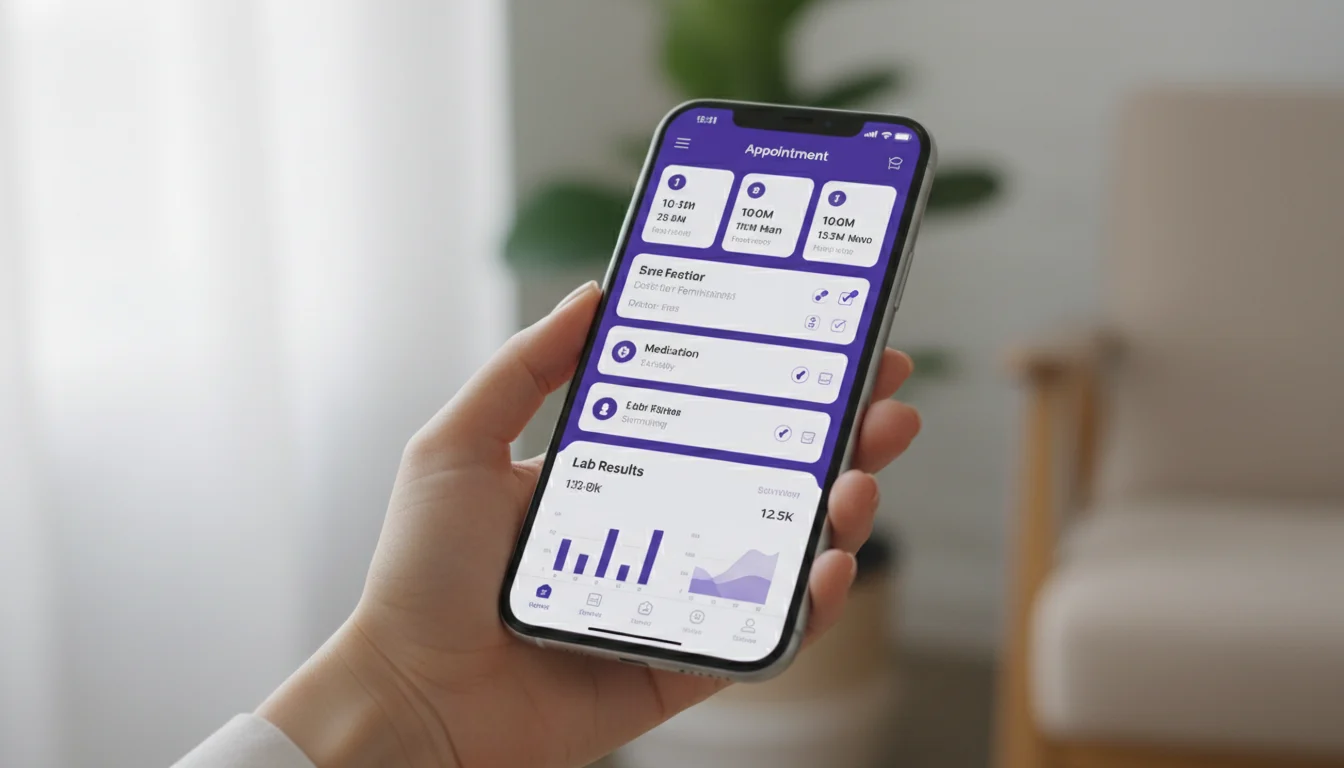
We spent the first month auditing support call transcripts — categorising every call by what the patient was actually trying to do. Five tasks accounted for 78% of call volume. We built the app around those five tasks first, with everything else secondary. Epic integration was extended beyond the standard API to pull structured medication data, which let us build a medication reminder system that cross-referenced prescription schedules. Offline access covers records from the past 18 months, synced when connected. Consent flows were built as a configurable module, allowing each country's legal team to define their own disclosure logic without code changes. We chose React Native to share business logic across iOS and Android, but wrote native modules for biometric auth and document scanning after cross-platform libraries underperformed in testing.
The results
Six months post-launch, monthly active users reached 71% — though we're honest that 'active' here means opened at least once in 30 days, not daily engagement. Support call volume dropped from 3,200 to 1,400 per month; the remaining 1,400 are largely calls from patients who still prefer phone. The app sits at 4.6 stars across stores on 8,300 reviews. One unresolved issue: Android performance on budget handsets common among older patient demographics is adequate but not as smooth as we'd like — it's on the current roadmap.
Tech Stack
Want similar results?
Let's discuss how we can help you achieve your goals.